

Reiki Therapy for Addiction Treatment Explained
Reiki is a holistic treatment from Japan that promotes the healing of both body and mind. It can help with everything from mental health issues like addiction to physical problems like chronic pain. Simply put, Reiki offers a different approach to healing and wellness for anyone willing to try something different.
This gentle and non-invasive method can be used as:
- A stress reduction technique
Reiki treatment has a double effect. Not only can it improve your energy, but it is also known to calm the mind and lower stress. This combination of channelling positive energy and helping you relax is very important for anyone working hard to get past addiction.
- An energy-based treatment
Reiki is considered an alternative medicine because it is based on the idea that healers can create an energy flow that helps you heal. Practitioners claim that this energy transfer happens when they place their hands right on or close to you.
- Holistic therapy
When it comes to holistic healing, the focus is on caring for both mind and body to help reduce stress and promote wellness. Reiki, yoga, massages, and reflexology are all examples of holistic approaches to healing.
What are the Seven Chakras in Reiki?
Healing with Reiki revolves around opening up your body’s energy centres, called chakras. Chakras are seven key points stretching from the base of your spine to the top of your head, and each one is linked to different parts of your body. Reiki healers focus on them to get your energy flowing, aiming to improve your mood and overall health.
Here are the seven chakras:
- The root chakra is right at the bottom of your spine, at the tailbone
- The sacral chakra is just below your belly button
- The solar plexus chakra is placed in your upper belly
- You can find the heart chakra right at the centre of your chest
- The throat chakra is, as you probably guessed, in your throat area
- The third eye chakra sits between your eyebrows
- The crown chakra is at the very top of your head
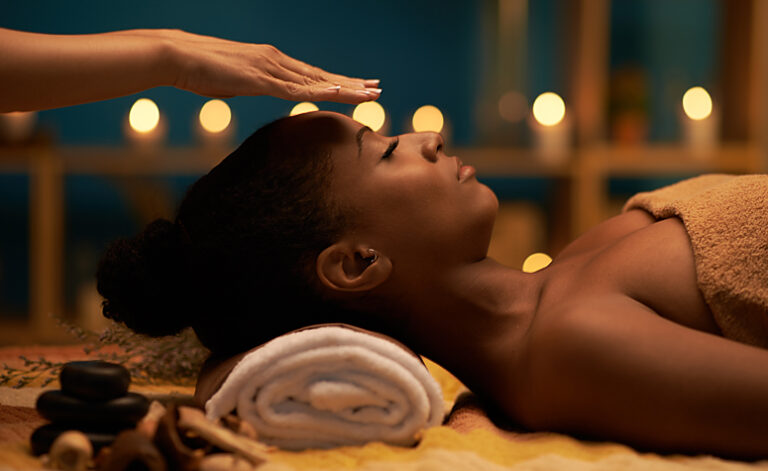
During a Reiki session, the practitioner will work with these areas, placing their hands near them to encourage healing. They do this gently, without pressing hard or touching you anywhere else, making sure you’re comfortable and the energy in your body is flowing properly.

What lies behind us and what lies before us are
tiny matters compared to what lies within us

Reiki Therapy for Addiction: Does it Work?
From a scientific point of view, Reiki is seen as a complementary treatment to the usual ways of dealing with addiction and other health issues. That is because the whole idea of passing life energy from the healer to the person getting help doesn’t have scientific proof backing it up. Therefore, it is never recommended to only do Reiki and bypass the regular doctor visits or treatments for addiction.
That said, when you combine Reiki with standard treatments, a lot of people find it gives them a boost in their recovery journey. Those who’ve tried Reiki often say they feel a change in their energy. They become less drawn to substance use and more to making choices that keep them healthy.
- Lower stress
Making Reiki a part of your everyday life could help reduce stress. The goal is to connect with your mind, body, and spirit, which leaves you feeling centred and in control. This balance keeps you focused on getting better, encouraging you to take an active role in your own recovery path.
- Boost energy
Reiki therapy dives into the idea that we’re all connected through energy, and this connection can actually help us heal and feel better. For those who believe in this idea, Reiki promises an energy boost.
- Help with pain
Some people who’ve tried Reiki say it also helped with the aches and pains that come with withdrawal. Moreover, when you add Reiki to the usual recovery treatments, it can promote healing.

Reiki Therapy May Help with Symptoms of Withdrawal
Reiki practitioners often say that this therapy is beneficial to those who are dealing with the symptoms of withdrawal. The idea is that Reiki’s calming effect can ease some of the pain and discomfort that come with stopping the intake of a substance.
Of course, at such a delicate time, people find it hard to trust new things, and scepticism towards alternative medicine is often an issue. However, Reiki seems to bring a sense of calm to those who are feeling agitated because of withdrawal.
People who work in rehab centres have noticed that their clients tend to relax during Reiki sessions, even seeing some symptoms like tremors alleviate or stop altogether after a while. This sense of calm, safety, and overall well-being that Reiki brings might also help people let go of the fear and trauma they feel during withdrawal.
Still, it’s fair to say that there’s no solid scientific proof that Reiki can directly relieve withdrawal symptoms. Most of what we know about how Reiki helps in addiction recovery comes from people sharing their own experiences. Therefore, the best approach would be to use Reiki alongside the tried-and-true treatments for addiction.
What Happens in a Reiki session?
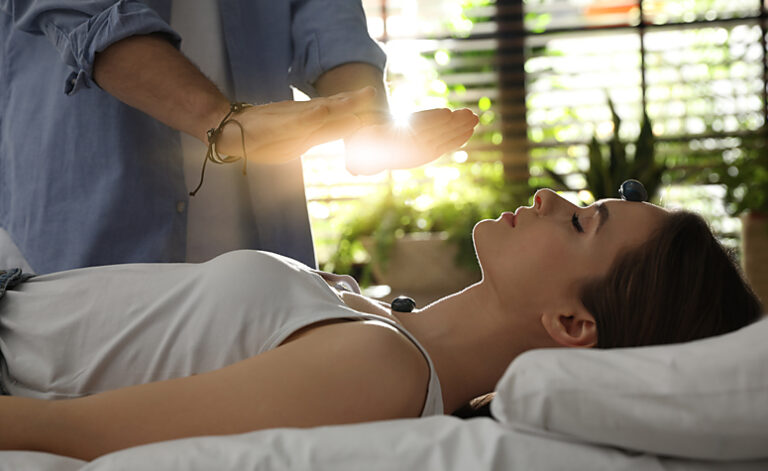
Every Reiki session is personalised, starting with the therapist informing you about what to expect. They’ll tell you how long it will last, how you should position yourself, either lying down on a massage table or leaning back in a chair, and what they’re going to do to help you relax. In most cases, the therapist will also set the environment with dim lights and gentle music to help you feel at ease.
Once both you and the practitioner are ready, the session will start. The therapist will place their hands lightly on you – you will feel no pressure or pain. They will focus on different spots on your body, such as your limbs, chest, or head.
Although this is less common, some therapists don’t touch at all; they just work with the energy around you. They’ll move their hands to different areas, sending out positive energy. There’s no rule on how long they remain in one spot, but generally, a healer switches to another place when no energy is left in their hands.
The potential health benefits of Reiki
Here are some of the potential health benefits you may receive from incorporating Reiki as part of your recovery treatment plan:-
- Reiki improves mental wellbeing
Reiki has a good reputation for making people feel happier. There’s a study from 2011 that shows it’s very good at lowering stress, cutting through anxiety and depression, and generally improving mood.
For someone working hard to stay away from addiction, these mood boosts can truly help make the journey smoother. When you’re feeling more balanced and happy, the temptation to go back to substances decreases, which is key for staying on track.
Now, it’s crucial to remember that Reiki isn’t a cure for mental health issues or addiction, but it can be a great help in handling these challenges, especially when you pair it with other types of therapy.
- Reiki has a positive impact of physical health
Since Reiki promotes relaxation, it also has a way of easing other stress-related issues like insomnia, migraines, and high blood pressure. However, if you’re dealing with serious health problems, Reiki shouldn’t be your go-to solution because there’s not enough hard evidence that it can directly fix them. That said, you can include it alongside the usual medical treatments and therapies that have solid evidence backing them up. When you integrate Reiki into your regular healthcare routine, you might see faster improvements in your physical health.

Fast Access to Residential Treatment
We are currently able to offer fast access to private inpatient treatment.
Please call us today and speak to one of our expert advisors.
Call in confidence: 0800 0148 970
Is Reiki evidence-based?
While some studies provide support for it, Reiki lacks substantial scientific evidence compared to other therapies. Treatments that are evidence-based include compassion-focused therapy, cognitive behavioural therapy, dialectical behaviour therapy, mindfulness-based stress reduction or mindfulness-based cognitive therapy. These have a solid base of research showing their effectiveness.
Nevertheless, Reiki is generally regarded as a good complement to these standard therapies. Just because there are not enough studies proving Reiki’s efficacy yet doesn’t mean it’s not worth considering. It can still be a part of a well-rounded approach to dealing with addiction, used alongside evidence-based treatments.

Reiki Therapy During the Treatment Process
You can try Reiki at any point in your recovery, it really depends on your specific needs. Usually, patients start Reiki sessions after they’ve gone through detox, making it part of the therapy when they’re dealing with tough conversations, making big decisions, or just feeling a lot emotionally.
But sometimes, one of our medical team might decide to include Reiki even while you’re in detox, especially if it can help ease some of the withdrawal symptoms, like calm down your anxiety. At AddictionRehab we will create a treatment plan that’s tailored specifically to your needs, and if Reiki is something you decide you wish to try as part of your recovery plan, then we will introduce it at the appropriate time.
Still, not everyone will find that Reiki works for them in calming anxiety or dealing with withdrawal symptoms. However, the good thing is our rehab programmes are flexible. In other words, we are open to changing the therapy course if something isn’t working, whether that’s trying different kinds of therapy, adjusting how often you do Reiki, or trying something else altogether.
We can always arrange for you to receive Reiki treatment, whether you’re looking to stay in the rehab centre or just visit for treatments. Our staff can help you secure placement into one of the programmes within a short period, often just a few days or weeks, allowing you to get the help you need without a long wait.
Frequently asked questions
The timing can vary. For example, a Reiki session with a friend or family member at home lasts as long as you wish.
However, sessions with a professional healer are usually between 45 and 90 minutes long. That leaves enough time for the healer to work without rushing. Anything less, and things might need to move along faster, which could mean you don’t get quite the same effect.
Some people immediately feel the Reiki treatment’s effect. After just one session, they are more relaxed, calm, and energised. Unfortunately, that’s not the case with everyone.
Most patients start noticing changes after a few months of regular Reiki sessions. The pace of these changes also depends on other factors, such as the inclusion of other treatments, the quality of your sleep, your diet, and whether you are staying away from substances.
You don’t have to be in a rehab centre to access Reiki therapy; it’s available in various settings. But, if you’re working through some substance abuse problems, it would be best to look for a rehab place that includes Reiki in the therapy programme. Such a holistic treatment plan could really give you a more rounded recovery journey.
FREE Addiction Assessment
If your or a loved one are struggling with addiction, we understand the challenges you’re facing and we’re here to offer compassionate help.
Our highly trained advisers are available to speak to you right away, simply call 0808 252 3379 today.
We can discuss your concerns in complete confidence, explore the options for treatment, and help you to understand what will work best for you.
We’ll also help you to book your free addiction assessment there and then, with appointments usually available within only a few days.
We understand that taking the first step can be the most difficult, but we’re here to support – with no pressure or judgement.
Professional and compassionate help is just a phone call or click away.