

Meditation for Addiction Treatment Explained
There is growing research that meditation and mindfulness have a positive effect on those struggling with substance abuse. Learn more about how meditation can aid your recovery and help foster a new and positive way of living.
While research into the correlation between meditation and addiction is in progress, there is evidence that mindfulness practices may have a positive effect on those struggling with substance abuse. More specifically, it could help substance users decrease their intake of cocaine, amphetamines, or alcohol. Furthermore, meditation may aid individuals facing the adverse effects of substance abuse or dealing with drug cravings. As such, it can be an effective tool in preventing a relapse.

What is Meditation?
Meditation is a much used practice that involves focusing one’s attention and awareness to achieve a mentally clear and emotionally calm state. Due to its positive effects on health and overall well-being, it is often included in therapy programmes for treating addiction, aiding participants in managing their dependency, and keeping a positive mindset during abstinence.
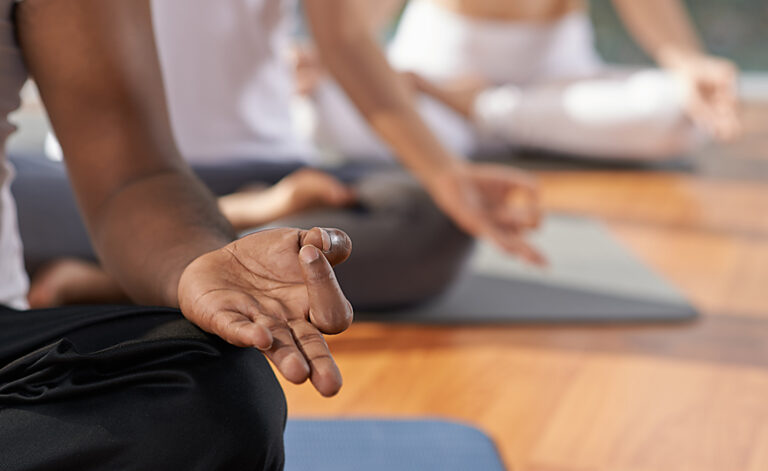
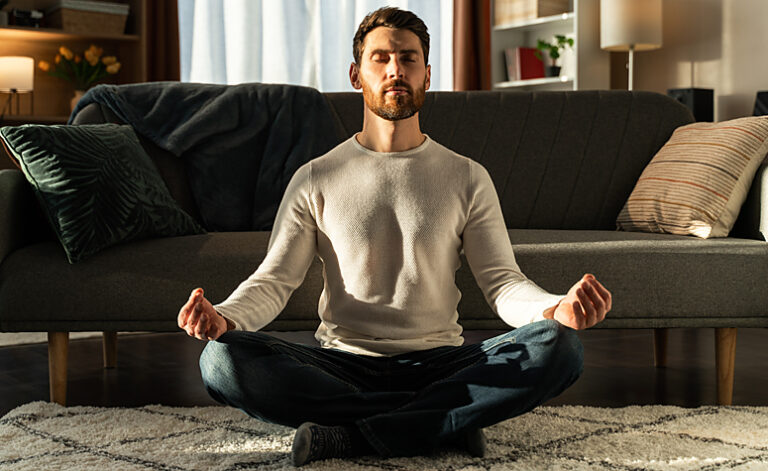
Before proceeding, it’s important to clarify what meditation is. As defined by the National Centre for Complementary and Integrative Health, it is a practice that engages both mind and body and instils peacefulness and relaxation in those who perform it. Typically, individuals who meditate sit in a comfortable position in a distraction-free space, taking deep, intentional breaths while letting go of any thoughts that arise in their minds. Since it promotes relaxation, meditation has positive health effects and may support recovery during illnesses.
In general, you can choose between guided or unguided meditation. While the former involves guidance from a professional, the latter means practising without any support. For those who opt for unguided meditation, there are a variety of apps available to help them through the process.

What lies behind us and what lies before us are
tiny matters compared to what lies within us

Can Meditation Help You Beat Addiction?
Firstly, it’s important to note that meditation alone cannot serve as a substitute for an addiction treatment plan administered by medical health experts. Still, this practice has indeed demonstrated its efficacy in aiding recovery and promoting relaxation. Since it helps individuals manage triggers and avoid repeating their harmful behaviour, meditation is employed by numerous addiction treatment centres across the world.
In addition to those currently undergoing therapy, individuals who have remained abstinent for a certain period can resort to mindfulness and meditation to help them prevent relapse and stay on the right track.
The Various Types of Meditation
Since there’s a range of meditation techniques to choose from, you should consider which type suits you and meets your needs best. For instance, if you have difficulties focusing or wish to be more in sync with your body, focused meditation may be the best choice. Similarly, movement meditation is perfect for those who enjoy the outdoors and want to stay active. In any case, the team of experts in charge of your treatment will be there to help you make the right choice.
Movement meditation
Focused meditation relies on our senses. During the experience, you’ll typically direct your attention towards a certain stimulus, such as the scent of incense or the ringing of a bell. Whenever your thoughts begin to wander, your senses can help you stay focused but also assist in bringing your awareness back to the present, thereby refocusing your attention on the meditation.
Mindful meditation
Although each meditation method incorporates mindfulness, it is essential in mindful meditation. This practice involves keeping your mind present while focusing on sensations, ideas, and thoughts that appear in your mind. While exploring these, you’re not supposed to judge or assess them as good or bad. Instead, you should focus on taking deep, steady breaths, letting your thoughts come and go freely.
Spiritual meditation
Spiritual meditation is employed by various religions, including Christianity, Buddhism, and Hinduism. It involves a deep, silent reflection, attempting to discover a connection with the inner self, the universe, or a higher being, such as God. In order to deepen the senses and elevate the entire experience, people often burn incense or use fragrant oils.
Mantra meditation
Unlike the other techniques that mainly focus on breathing, mantra meditation involves repeating a specific word, phrase, or sound, known as a mantra. Practitioners can do that either silently or aloud, and it helps them quiet their minds and cultivate inner peace while staying present in the moment.
Transcendental meditation
Similarly, in transcendental meditation, practitioners sit comfortably with their eyes closed and repeat a mantra. This method aims to achieve a state of heightened awareness, allowing the mind to transcend thoughts and access a state of pure consciousness and calmness.
The Benefits of Meditation:
While research into the correlation between meditation and addiction is in progress, there is evidence that mindfulness practices may have a positive effect on those struggling with substance abuse. More specifically, it could help substance users decrease their intake of cocaine, amphetamines, or alcohol. Furthermore, meditation may aid individuals facing the adverse effects of substance abuse or dealing with drug cravings. As such, it can be an effective tool in preventing a relapse
Mental health benefits
Unsurprisingly, meditation and similar mindfulness practices offer a range of mental health benefits, including:
- Elevating mood
- Easing worry and anxiety
- Reducing stress levels
- Promoting relaxation and calming the mind
Physical and other health benefits
According to recent research conducted by medical professionals, meditation positively affects the mind and body. As a result, it can provide valuable help in treating many health conditions, including the following:
- Anxiety
- Depression
- Insomnia
- Pain
- Irritable Bowel Syndrome
- Hypertension
- Ulcerative colitis
- Smoking addiction
While meditation cannot replace actual cancer therapy, research suggests that it can supplement it. Specifically, there is evidence that practising mindfulness has helped breast cancer and lung cancer patients cope with stress, poor self-image, exhaustion, and pain that follow these illnesses.
Moreover, a 2020 study found that a mindfulness-based course led to significant improvements in participants’ perceptions of pain, mood, and functional capacity. At the end of the programme, 89% of respondents reported that the course helped them cope with their pain.
How Meditation Can Help with Addiction
A number of studies suggest that meditation can help prevent a relapse in those dealing with substance abuse. Namely, it can reduce common triggers, such as pain, anxiety, depression, insomnia, and substance cravings. In addition, meditation can boost one’s awareness and control over their emotions and thoughts, making them more resilient to discomfort and unpleasant symptoms.
As a mind-strengthening exercise, meditation may be helpful in case of protracted withdrawal. To clarify, protracted withdrawal has similar symptoms to acute withdrawal, such as anxiety, intense drug cravings, and an inability to make decisions. However, the effects can last several months upon quitting the use. As the Substance Abuse and Mental Health Services Administration (SAMHSA) suggests, meditation can help people avoid a relapse during this period.
Finally, a study involving smokers has shown that meditation boosted activity in brain regions linked to self-control in participants. Consequently, the authors of the research inferred that meditation may be an effective aid in addiction recovery and prevention. As a result, many rehabilitation centres are incorporating meditation and mindfulness into their treatment programmes.
Incorporating Meditation into a Recovery Plan
The benefits of meditation are instantaneous, and you can take advantage of them as soon as you begin practising it. Therefore, mindfulness exercises will help you along your healing journey, whether you started overcoming addiction today or have been on this path for many years. On that note, here are a few different ways you can include meditation in your journey of recovery:
- Use a meditation app
- Join a meditation class
- Take deep and purposeful breaths
- Become aware of the sensations in your body
- Take restful walks in nature
- Focus on feelings associated with happiness, such as gratitude and love
- Repeat positive mantras
- Pray
As you begin, keep in mind that, like any other skill, learning meditation takes time and practice. Fortunately, if you enrol in an addiction treatment programme, the team overseeing your therapy will help you in integrating meditation into your recovery plan, ensuring you reap the most benefits.
The Advantages of a Holistic Addiction Treatment Plan
Rather than solely dealing with addiction, long-lasting healing requires a holistic approach. In other words, an effective rehab programme should address the underlying disorders and triggers behind substance abuse, enabling participants to make healthy choices and prioritise wellness going forward.
As part of our detailed programme for treating addiction, you can participate in meditation and mindfulness exercises to help you maximise the positive outcomes of the treatment. Additionally, we provide recreational therapy, relapse prevention treatment, follow-up support, and various wellness activities.
Are you ready to reclaim your life from addiction? Reach out to us today, and our dedicated team will craft a personalised wellness and health plan tailored specifically for you, guiding you every step of the way towards recovery.

FREE Addiction Assessment
If your or a loved one are struggling with addiction, we understand the challenges you’re facing and we’re here to offer compassionate help.
Our highly trained advisers are available to speak to you right away, simply call 0808 252 3379 today.
We can discuss your concerns in complete confidence, explore the options for treatment, and help you to understand what will work best for you.
We’ll also help you to book your free addiction assessment there and then, with appointments usually available within only a few days.
We understand that taking the first step can be the most difficult, but we’re here to support – with no pressure or judgement.
Professional and compassionate help is just a phone call or click away.