

Understanding and Treating Sexual Dysfunction
Sexual difficulties or problems related to sexual dysfunction are prevalent. They can be due to a variety of factors and often hinder individuals or couples from engaging in or experiencing satisfaction from sexual activity. Physical, psychological and emotional issues can contribute to sexual dysfunction, which, in some circumstances, leads to difficulties related to sex or sexual dysfunction. Many times, these problems result from a combination of factors.
Wee offer individualised treatment plans based on your specific situation and needs. Depending on the severity of your condition, you may have hourly sessions with a highly trained psychiatrist, psychologist or therapist or engage in group therapy as part of a more structured approach within a day care programme.
If you are struggling with sexual dysfunction problems, it indicates that the usual sexual response cycles, either yours or your partner’s, have become disrupted. Sexual response cycles are those physical and emotional changes that occur during sexual arousal and while engaging in sexually stimulating activities. Men and women share similar emotional triggers for each stage of the cycle. It can be very challenging and embarrassing to discuss sexual dysfunction, even with your partner. Many individuals go through periods where they don’t find sex enjoyable, and this can create a domino effect on subsequent emotional feelings. This, in turn, puts a strain on their relationship with their partner as well as their overall mental health.
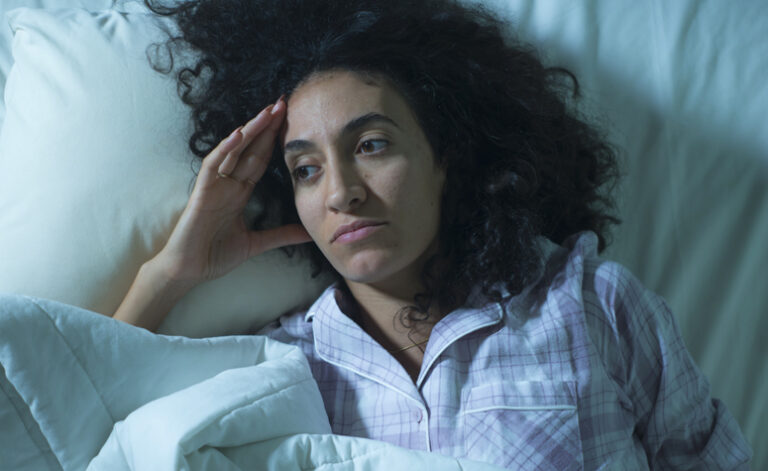
What is Sexual Dysfunction?
Sexual dysfunction refers to problems that hinder you from wanting to engage in sexual activity or enjoying it. It can affect both men and women at any stage of life, although the likelihood of developing sexually related problems increases with age.
Only a relatively small number of men and women seek professional help for sexual issues and dysfunction. However, research indicates that the complaint is prevalent, with 15% of men and 30% of women reporting problems with sexual function, such as experiencing difficulties in reaching climax in women and premature ejaculation or erectile dysfunction in men.
Sexual difficulties are usually related to underlying physical conditions or emotional problems linked to stress, anxiety or depression. Depending on the nature and the severity of the sexual dysfunction, it can often be treated effectively with either therapy or sexual behaviour counselling, and in some cases, alongside medication to alleviate specific physical complaints.
Many issues concerning sexual dysfunction that you or your partner may experience may be linked to a disruption of the normal sexual response cycle, which involves the physical and emotional changes that take place in the body during sexual activity.
Having an understanding of how you and your partner respond to sexual activity can be crucial in treating sexual dysfunction and ultimately sustaining a positive sexual experience. Behavioural and therapeutic treatments to alleviate symptoms caused by sexual trauma or underlying mental health conditions can help diminish or eliminate their impact on sexual difficulties associated with the cycle.

What are the Signs and Symptoms of Sexual Dysfunction?
The symptoms connected to sexual difficulties differ between men and women. However, many of these are experienced by both genders, including:
- Lack of desire for sex
- Arousal problems – women may have problems feeling aroused
while men struggle with erection difficulties - Difficulty in reaching an orgasm
- Childhood issues due to negative associations with sex
These symptoms can be grouped into specific types of sexual dysfunction affecting both men and women, including:
- Desire disorders – lack of sexual desire or interest in sex
- Arousal disorders – inability to become physically aroused or
excited during sexual activity - Orgasm disorders – delay or absence of orgasm
- Pain disorders – experiencing pain during intercourse
Both men and women share many physical and emotional responses to sexual activity. However, some specific problems and symptoms arise from the natural biological differences between the two genders.

You’ll never change your life until you
change something you do daily …

Who is Affected by Sexual Dysfunction?
Sexual dysfunction problems can affect anyone. Heterosexual, gay, lesbian, bisexual, married or single adults may experience issues with sexual performance and relationships at some stage in their lives.
Research conducted in Europe suggests that men in the UK are more inclined than their European counterparts to seek professional help for problems such as early ejaculation and erectile dysfunction. In contrast, British women are more prone to experiencing a lack of interest and pleasure in sex.
What Causes Sexual Dysfunction?
Sexual dysfunction is believed to result from a combination of factors associated with both physical and mental health. Determining which of these factors caused your problem during your initial assessment will help establish the foundation of your treatment plan. Causes may include:
Physical causes
Issues with sexual function can be due to a variety of physical health problems such as diabetes, heart and vascular disease, kidney or liver damage, as well as adverse physical effects resulting from alcoholism and drug use.
Medications
Certain medications used in the treatment of other mental conditions, such as antidepressants to address symptoms of anxiety and depression, can impact sexual function. If your sexual problems are linked to physical complaints, shifting to medication to one with a lower likelihood of causing side effects related to sexual dysfunction may be beneficial.
Psychological causes
Psychological causes – Your mental health can significantly impact your sexual performance. If you have been diagnosed or are experiencing symptoms of depression, your mental health condition may be contributing to your sexual dysfunction problem. Sexual trauma experienced early in life can cause individuals to have negative associations with sexual activity. In addition, concerns with body image and unresolved relationship issues can be contributing factors.
We acknowledge the challenges of taking the initial steps towards recovery from a sexual dysfunction problem can be very challenging. However, there’s no reason to feel embarrassed, especially considering the prevalence of sexual health issues. That’s why we’ve created a supportive environment for your initial assessment – a space where you can understand the extent of your problem, explore the options available to you, and help you enjoy the sexual experiences again.

Treatment for Sexual Dysfunction
We understand that everyone’s situation is different and ensure that everyone has a treatment plan tailored to their needs. Most of the sexual dysfunction problems can be successfully treated by dealing with the underlying physical or psychological issues. Dysfunction due to stress, fear or anxiety can be treated through therapy and counselling sessions designed to educate you about your sexual problems and communication with your partner.
The following are some of the medical and therapeutic methods employed by our medical experts in the treatment of sexual dysfunction, especially when associated with stress, anxiety or depression:
- Cognitive behavioural therapy (CBT)
Talking therapies such as CBT are conducted by our specialist therapists who are highly experienced in treating sexual dysfunction. CBT involves discussing any related feelings of anxiety, fear, guilt or low self-esteem which may be influencing difficulties with sexual performance.
Your dedicated therapist will educate you on methods to transform negative thoughts into positive ones, using constructive, action-based techniques to improve your situation.
CBT can also help you deal with any sexual trauma you may have experienced in the past, which may be connected to negative connotations when engaging in present day sexual intercourse.
Psychosexual therapy and counselling
Psychosexual therapy is a specialised therapeutic technique used to help individuals experiencing difficulties of a psychological/sexual nature. This form of therapy integrates key behavioural and cognitive strategies, helping people understand their sexual problems, improve how they articulate their sexual needs, and expand their options for sexual expression.
Psychosexual therapy may be done on an individual basis or as a part of a couples therapy programme, serving as an outlet for people to discuss their issues with a supportive and trustworthy therapist who specialises in resolving a whole variety of sexual problems.
Medication
There are a range of medications which are commonly prescribed for other illnesses and mental health conditions with side effects that may affect your sexual performance. A change in medication can help, while drugs which increase blood flow to the penis, such as Viagra, Cialis, Levitra, and Staxyn, may be beneficial for men experiencing erectile dysfunction.

FREE Sexual Dysfunction Assessment
If your or a loved one are struggling with Sexual Dysfunction, we understand the challenges you’re facing and we’re here to offer compassionate help.
Our highly trained advisers are available to speak to you right away, simply call 0808 252 3379 today.
We can discuss your concerns in complete confidence, explore the options for treatment, and help you to understand what will work best for you.
We’ll also help you to book your free Sexual Dysfunction assessment there and then, with appointments usually available within only a few days.
We understand that taking the first step can be the most difficult, but we’re here to support – with no pressure or judgement.
Professional and compassionate help is just a phone call or click away.