

Body Dysmorphic Disorder (BDD) Treatment
Body dysmorphic disorder (BDD) is an anxiety-based disorder characterised by extreme self-esteem issues and immense preoccupation with physical appearance. Individuals often become so fixated on a particular feature of their body that they are unable to focus on anything else. This intense concern can gradually transition into compulsive behaviours and obsession, which are clear signs of this mental disorder.
Obsessive thinking of this nature can lead to long-term emotional distress, rendering the individual unable to fulfil their duties on an everyday basis. Due to this connection between intrusive thoughts and behavioural patterns, BDD is closely linked to obsessive-compulsive disorder (OCD).
People suffering from BDD often develop an acute dislike for a particular physical feature. Typically, this attribute is not overly noticeable to others, but it consumes the affected individual’s mind so much that it becomes the only feature they can see. This obsession may become so distressing and consuming that the person might miss work or school and avoid social settings to escape the discomfort of feeling self-conscious.
Should you suspect that you might have BDD or have already been diagnosed, We operate a UK network of numerous health and wellness centres ready to assist you in your recovery. By combining talk-based therapy with any necessary medication, we aim to alleviate your symptoms and help you take the first step toward a healthier future.
Treatment for BDD
Generally, BDD treatment at our centres includes talk-based therapy, such as cognitive behavioural therapy (CBT). Alternatively, patients may also be prescribed antidepressants, which have been shown to be effective in ameliorating symptoms. In more severe instances, where BDD is limiting one’s ability to function, a combination of both approaches may also be employed.
In cases where BDD is diagnosed alongside co-occurring mental health disorders, such as anxiety and depression, we advise patients to also enrol in more intensive inpatient programmes to treat these additional areas.

Cognitive Behavioural Therapy (CBT) for BDD
Given its foundation in structured self-help strategies, CBT can positively influence the patient’s thought and behavioural patterns. As such, it assists them in shifting their focus from their body to more productive pursuits.
Through CBT, patients can confront their fears and negative emotions, as well as find new ways to reduce compulsive and ritualistic behaviours. For instance, individuals with BDD often obsessively check their reflections or overly groom themselves.
CBT may aid in eliminating, or at least decreasing, the occurrence of such behaviours. As such, it is highly effective for cases of BDD ranging from low to moderate severity and can be conducted in both individual and group therapy settings.
In the treatment of BDD, CBT sessions typically include a technique called exposure and response prevention (ERP). Through this method, therapists guide patients to confront triggering situations in a controlled and secure environment. As a result, patients learn how to adjust their reactions and, by extension, reduce their struggles with low self-esteem, allowing them to return to work or school.
Medication for BDD
When treating the acute stress and anxiety associated with BDD, experts often prescribe antidepressants known as selective serotonin reuptake inhibitors (SSRIs), such as fluoxetine. These medications positively impact one’s mood and the regulation of emotions. Additionally, they aid neurotransmitters in the brain, ensuring the proper transmission of impulses and signals. Consequently, they can be beneficial in alleviating BDD symptoms.
SSRIs typically begin to take effect after at least a couple of weeks, with noticeable improvements showing around the 3-month mark. Due to their tendency to cause fewer initial side effects compared to other antidepressants, they are more readily prescribed. However, in case patients are unsatisfied with the effects, or if the SSRIs are doing more harm than good, our specialists may conduct thorough assessments and prescribe alternative medications instead.
What is Body Dysmorphic Disorder (BDD)?
BDD is often referred to as the imagined ugliness disorder, which puts emphasis on the external perception of this condition. In reality, individuals cannot control their thoughts and obsessions, becoming overly preoccupied with a particular feature of their physical appearance. This perceived imperfection can consume their thoughts for hours each day, leading to neglect of daily activities.
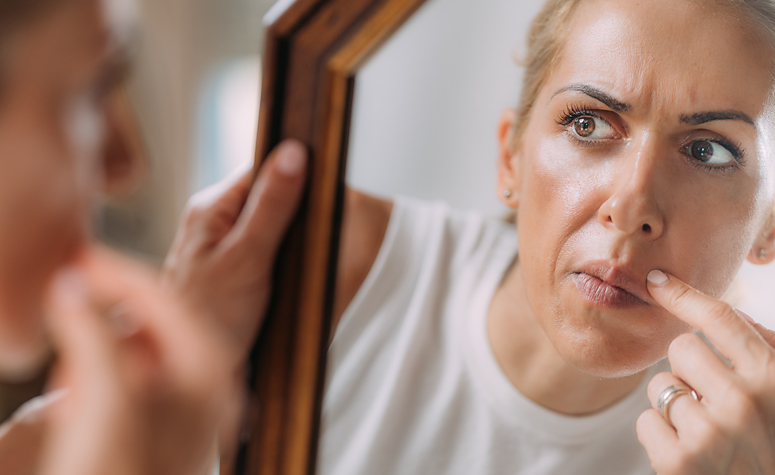
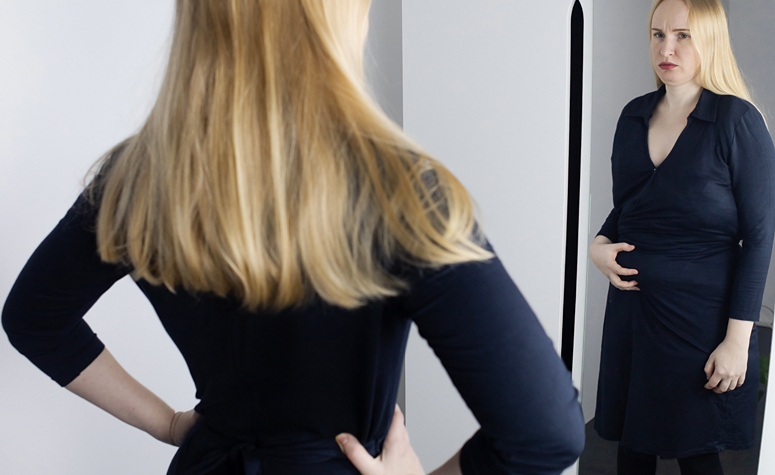
Finding fault with oneself — most notably one’s physical appearance — is an inherently human trait. However, while most people are able to overcome these concerns relatively quickly, individuals with BDD obsess over them for prolonged periods. For instance, they often engage in behaviours such as scrutinising their reflection in the mirror, comparing themselves to others, and avoiding social gatherings due to anxiety.
With time, these behaviours become ritualistic and compulsive, as patients constantly repeat them to repair the perceived imperfections. They may do so by brushing their hair, fixing their makeup, adjusting their clothes, and exhibiting various other behaviours.
Similar to many anxiety disorders, BDD affects individuals of all genders and ages. However, it is notably more prevalent among teenagers and young adults due to the physical changes that accompany puberty and maturation. Combined with the increased use of social media and the high beauty standards it imposes, BDD has led to heightened interest and preoccupation with physical appearances within this demographic.
Statistics show that in the UK 1 in every 100 individuals is affected by BDD, accounting for close to 1.2% of the population. However, it is worth noting that numerous people are frightened or reluctant to seek help and receive a diagnosis. As a result, it is challenging to ascertain a concrete number, with many experts believing the condition is significantly more common.
BDD leads to a myriad of adverse consequences, ranging from poor work and academic performance to relationship issues due to low self-esteem. Consequently, individuals often find it difficult or embarrassing to confide in others about their symptoms and may attempt to hide them from those in their lives.
However, with proper care and a comprehensive treatment programme delivered by expert medical staff, overcoming this condition can be infinitely more manageable.

Sometimes the smallest step in the right direction
ends up being the biggest step of your life
Tiptoe if you must, but take the step

Signs and Symptoms of Body Dysmorphic Disorder (BDD)
BDD patients spend copious amounts of time focusing on their appearance — most notably on what they perceive to be its flaws or imperfections. They typically feel quite self-conscious and get distressed easily when imagining how others view them. However, those in their inner circle often do not share this warped and negative perception at all.
The symptoms of BDD vary for each individual patient. Nevertheless, obsessive and intrusive thoughts centred around a specific perceived flaw are the most common markers. These thoughts often manifest as compulsive behaviours, which aim to remove or at least remedy this imperfection. In the most extreme cases, individuals even pursue plastic surgery, even though this type of treatment is never recommended for BDD patients by experts in the field.
Compulsive behaviours
Body dysmorphic disorder may be recognised in individuals by a wide range of compulsive behaviours, including:
- Constantly checking one’s reflection in mirrors
- Repeated weighing
- Requiring constant reassurance in regard to one’s appearance
- Frequently picking at and smoothing out skin
- Using excessive exercise as a tool to work on a specific problem area of the body
- Frequently brushing and styling one’s hair and fixing makeup to make it perfect
- Continuously comparing oneself with others, be it models or people from one’s life
In the vast majority of cases, compulsive behaviours are tied to the specific body part that is perceived as an imperfection. The face and skin are typically the most affected areas, although many also struggle with the shape and size of specific body parts.
Body parts affected
BDD patients are often concerned with the following areas of their body:
- Breast size
- Acne and other skin imperfections
- Moles
- Scars and cuts
- Shape, symmetry, and size of one’s face
- Muscle size (also known as muscle dysmorphia or
the belief that one’s muscles are too small) - Shape and size of the genitals
BDD often has distressing consequences on the patient’s life, causing them to avoid social interactions and, by extension, work or school. The severity of the individual’s symptoms may vary each day, ranging from mild intrusive thoughts to seriously debilitating compulsions.
Moreover, BDD symptoms may also lead to other mental health disorders, including depression, self-harm, anxiety, alcoholism, substance abuse, and eating disorders. If you’re facing these challenges, don’t hesitate to contact us. Our dedicated team is here to offer you the support, tools, and understanding you need not only to alleviate your symptoms but also to help you cultivate a more loving self-image and recognise the unique beauty within yourself.

Fast Access to Residential Treatment
We are currently able to offer fast access to private inpatient treatment. Please call us today and speak to one of our expert advisors.
Call in confidence: 0800 0148 970
FREE Body Dysmorphic Disorder Assessment
If your or a loved one are struggling with body dysmorphic disorder, we understand the challenges you’re facing and we’re here to offer compassionate help.
Our highly trained advisers are available to speak to you right away, simply call 0808 252 3379 today.
We can discuss your concerns in complete confidence, explore the options for treatment, and help you to understand what will work best for you.
We’ll also help you to book your free body dysmorphic assessment there and then, with appointments usually available within only a few days.
We understand that taking the first step can be the most difficult, but we’re here to support – with no pressure or judgement.
Professional and compassionate help is just a phone call or click away.